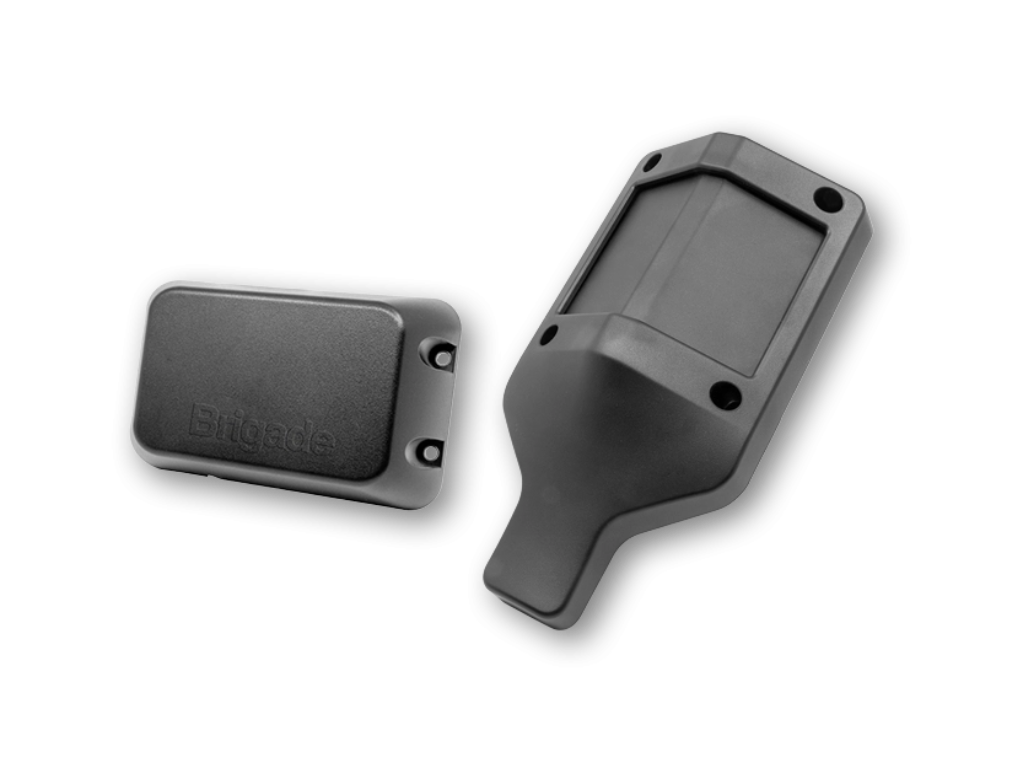
Radar Detection Systems
Mirrors and cameras can only do so much. Radar detection adds an active layer of protection — scanning for vulnerable road users in zones that drivers simply can’t see. Whether you need front detection to catch pedestrians in the path of a moving vehicle, or side detection to protect cyclists during turns, SM UK supplies and fits radar systems designed for the demands of commercial fleet operation.
- Protects vulnerable road users and pedestrians
- Fits the majority of on-highway vehicles
- Three-zone detection
- Prevents costly collision damage and downtime
- Ideal for refuse vehicles, road sweepers and municipal fleet
Front Radar
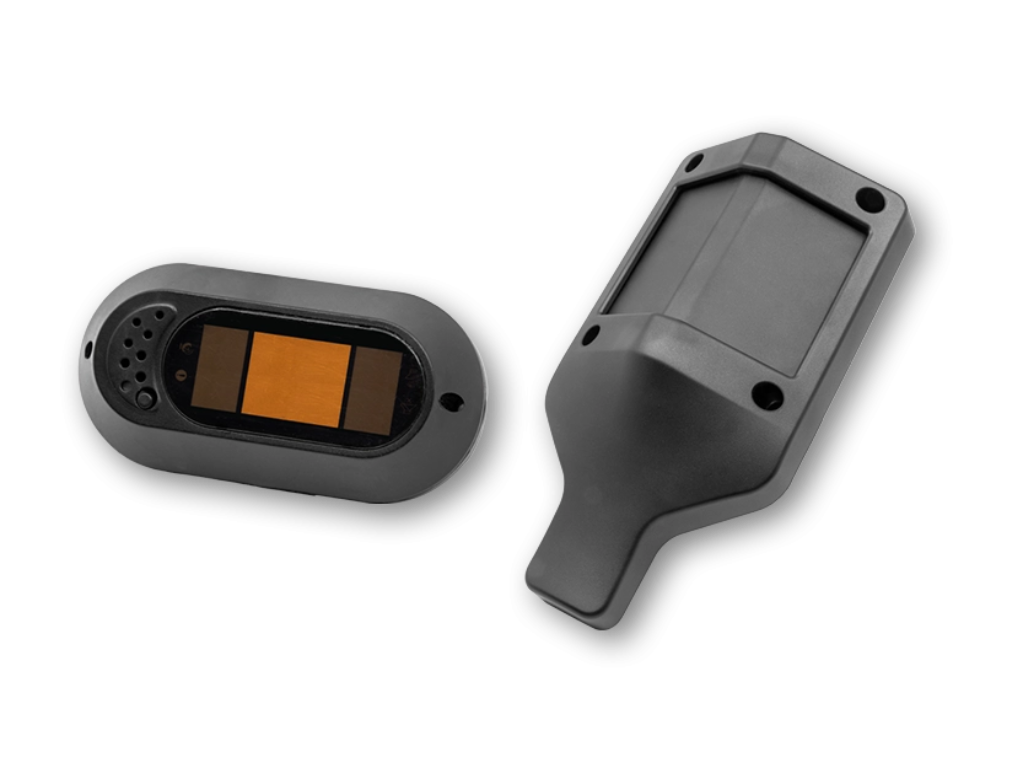
The front radar detects vulnerable road users ahead of the vehicle and alerts the driver via an in-cab display, using a three-stage colour warning system. A green light indicates a VRU between 150cm and 250cm from the front of the vehicle; amber between 70cm and 150cm; red when a VRU is within 70cm. If a VRU is present in any zone when the vehicle begins to move off, the system triggers a red light and audible alarm.
Left and right zone detection is also active when stationary, alerting drivers to moving VRUs on either side — not just directly ahead.
- Meets MOIS (Moving Off Information System) requirements, including 2024 DVS
- Three-stage colour warning: green, amber, red
- Audible and visual alarm on move-off if a VRU is detected
- Left/right zone detection when stationary
- Suitable for HGVs and municipal fleet
Side Radar
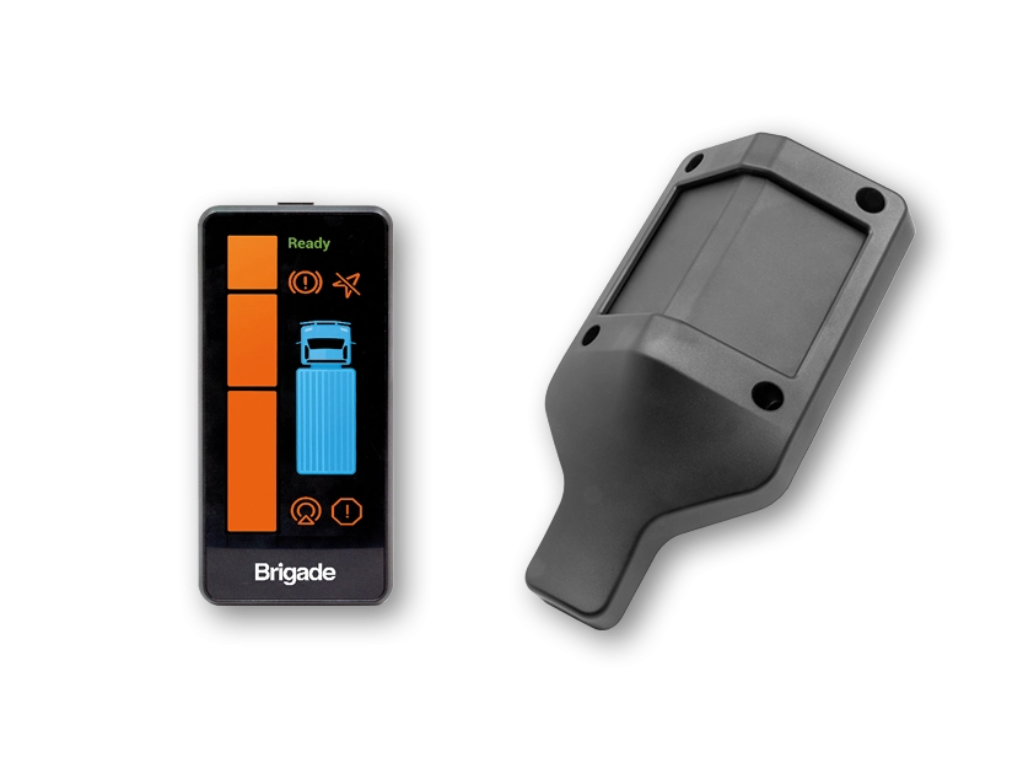
The side radar system uses AI technology to assess the speed and direction of both the vehicle and a detected cyclist, predicting whether a collision is likely rather than simply flagging proximity. This significantly reduces false alerts — the system differentiates between cyclists and static objects, so drivers aren’t desensitised by unnecessary warnings.
A single dual-radar unit fits to the nearside of the vehicle and covers the full length, including trailer. Trailer discovery mode prevents articulation from generating false alerts. The driver receives a first alert when a cyclist enters the detection zone and a second if a collision is predicted.
- Meets BSIS (Blind Spot Information System) requirements, including 2024 DVS
- 180° nearside detection, active below 20 mph
- AI-powered collision prediction — not just proximity alerting
- Automatic trailer recognition
- Covers rigid and articulated vehicles
Rear Radar
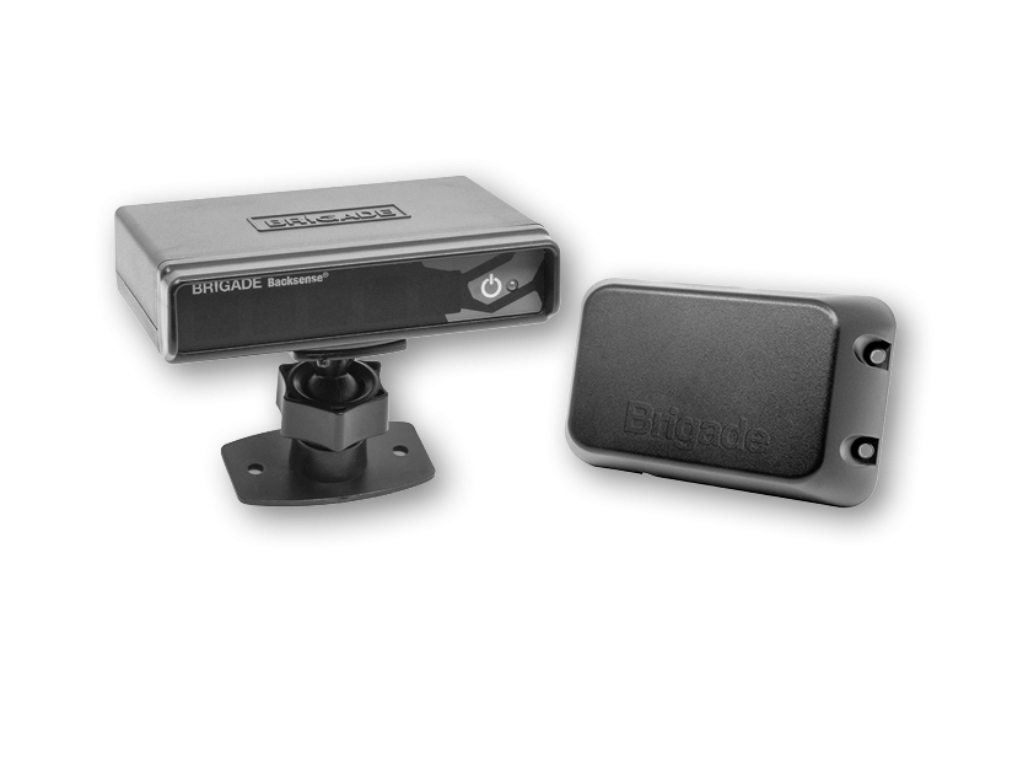
A 77GHz FMCW radar sensor for rear-of-vehicle detection, with a programmable detection range that can be configured to suit your specific operational environment. The system detects stationary, moving, and multiple objects simultaneously, with a five-stage audible and visual in-cab display that escalates warnings as distance closes.
Detection blind zones can be programmed out, so fixed infrastructure like loading bays and dock walls don’t generate nuisance alerts – keeping drivers focused on genuine hazards.
- Detection range up to 60m, programmable from 0-3m minimum
- Detection width 2-16m, horizontal angle 140°
- Five-stage adjustable audible and visual warning display
- Detects stationary, moving, and multiple objects
- Programmable blind zones to eliminate false alerts from fixed objects
- IP69K sensor, built for harsh environments
- Waterproof display unit available for plant / harsh environments
- CE and UKCA marked, FCC approved, UNECE R10 compliant
FAQs
We’ve answered some of your most frequently asked questions. Don’t find what your looking for? Don’t hesitate to get in touch with a member of our team for expert advise.
What's the difference between front, side, and rear radar?
Each system addresses a different blind spot risk. Front radar detects VRUs in the vehicle’s path during move-off. Side radar monitors the nearside blind spot for cyclists during low-speed manoeuvres. Rear radar provides programmable object detection behind the vehicle. Many fleets run a combination of all three for complete coverage.
Do these systems meet Direct Vision Standard requirements?
Yes. The front radar meets MOIS (Moving Off Information System) requirements, and the side radar meets BSIS (Blind Spot Information System) requirements under the 2024 DVS standard. If you’re operating under DVS and need guidance on compliance, speak to our team.
Will the radar systems generate a lot of false alerts?
All three systems are designed to minimise nuisance alerts. The side radar uses AI to differentiate between cyclists and static objects, only escalating to a collision warning when an impact is predicted. The rear radar allows blind zones to be programmed out, so fixed infrastructure like dock walls won’t trigger warnings. Fewer false alerts means drivers stay alert to genuine hazards.
Can the radar systems be fitted to any HGV?
All three systems are designed to suit the majority of commercial vehicles. Each installation is assessed individually – speak to our team and we’ll advise on the right configuration for your fleet.
Does the side radar work with articulated vehicles?
Yes. The system includes automatic trailer recognition, which prevents trailer articulation from triggering false alerts. It covers both rigid and articulated vehicles.
Get in touch
To find out how our radar systems can make a great addition to your fleet, speak with one of our specialists today.
All data collected is held according to our Privacy Policy.